
The short answer
Make it obvious what you do, where you work and how to contact you. Answer the questions that stop people enquiring, show honest evidence of your work and test the contact process on a phone. If hardly anyone visits, you’ll also need a plan to help people find you.
Can a new visitor understand you straight away?
You know your business inside out. A visitor doesn’t. They may land on a service page without ever seeing your homepage.
Read that page as if you’re in a hurry. Does it tell you the service, who it’s for and the area covered? Replace vague promises with a clear explanation of the work.
Answer the questions people ring to ask
Think about your last ten enquiries. What did people want to know before they were ready to book or request a quote? Put those answers on the page.
- Do you cover my suburb?
- Do you take jobs like mine?
- What is included, and what isn’t?
- Can you give a price, or how does quoting work?
- What happens after I contact you?
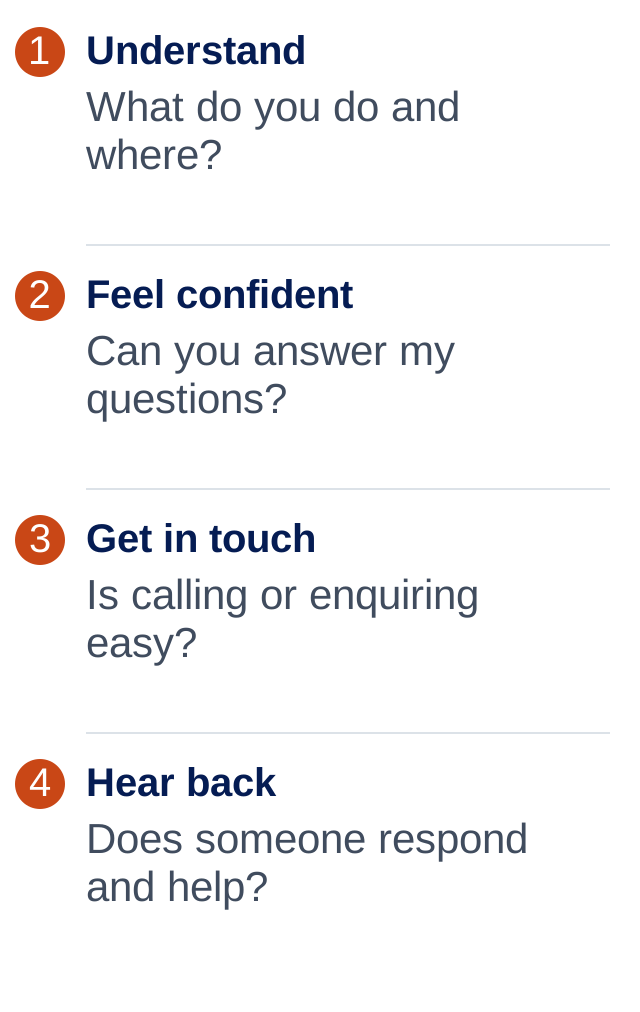
From visitor to useful conversation
Give people something believable
Real photos, a clear explanation of your process and examples of completed work help people understand what they’re buying. Use customer quotes and project details only when you have permission.
If you don’t have lots of testimonials, don’t invent them. Explain who they’ll deal with, what happens next and what the service includes. Specific, honest information is useful evidence too.
Use images that help explain the work. A generic handshake photo doesn’t answer many questions. A labelled example or useful before-and-after can do more, provided it’s genuine and clearly described.
Remove the effort from getting in touch
Give people an obvious phone number and a short contact form. You usually don’t need their entire project history before starting a conversation.
Test the full process, not just the button. Does the enquiry reach the right inbox? If a form opens an email draft instead of submitting directly, say so clearly.
Then check your follow-up. If a good enquiry sits unanswered, another website button won’t solve it. Keep a simple record of enquiries and jobs won so you can see what helps.
Start with the clearest problem and fix it. If the site gets very little traffic, work on visibility too—but make sure people can contact you before paying to bring more of them in.
Common questions
Do I need more website traffic or a better website?
It depends where the problem is. Very few visitors suggests a visibility issue. Plenty of suitable visitors with few enquiries suggests looking at the offer, information and contact process. Both can need work.
Should I put prices on my website?
Publish clear prices when the work can reasonably be priced that way. If every job is different, explain how quotes work, what affects the price and what information you need.
How long should my contact form be?
Ask for what you need to start a useful conversation. A name, contact method and short description may be enough. Add more fields only when they serve a clear purpose.
Do I need testimonials before I can improve my website?
No. Use accurate business details, real photos where available and a clear service process. Add genuine testimonials later when you have permission to use them.
ONE THING TO TRY
Start here.
Send a test enquiry from your phone and confirm it arrives. Then ask someone unfamiliar with your business to explain what your main service page offers.