
The short answer
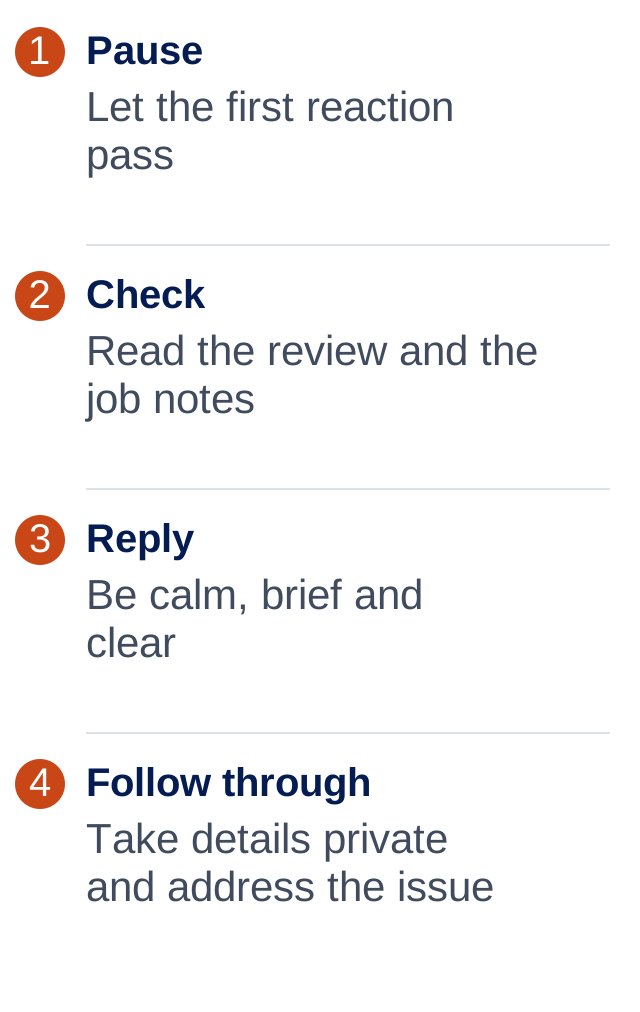
Pause before replying. Check what happened, acknowledge the concern and offer a direct way to talk. Keep private details out of the public reply. Remember that future customers are reading too—they want to see how you handle a problem, not who wins the argument.
Don’t reply while you’re angry
A bad review can spoil your whole afternoon, especially when you feel you did everything right. Give yourself a little space before typing.
Check your job notes and ask anyone involved what happened. You don’t need a public response to every sentence in the review. You need a calm next step.
If you’re still upset, ask someone you trust to read your draft. Remove anything you wouldn’t want a new customer to see.
Before you press “Reply”
What should you leave out?
Even if you have the full story, the public reply is not the place to post invoices, addresses, private messages or personal details. Take that conversation to a suitable private channel.
- Don’t insult the reviewer or accuse them of lying without checking.
- Don’t paste a cheerful thank-you under a serious complaint.
- Don’t make promises you haven’t approved.
- Don’t ask friends to pile in with replies or fake positive reviews.
What if the review is unfair or fake?
An unfair-feeling review isn’t automatically removable. If you think it breaks Google’s rules, report it through the profile and explain the relevant policy issue. Keep evidence privately.
Removal isn’t guaranteed, and paying someone doesn’t give them a special right to delete it. If the situation is a serious dispute, get suitable advice before making public claims.
For a genuine complaint, follow through on the conversation. Then ask whether there’s a useful change to make—clearer arrival times, better quotes or quicker replies. A thoughtful response matters, but fixing a recurring problem matters more.
Common questions
Can I delete a negative Google review?
You can’t simply delete someone else’s review because you dislike it. You can report a review you believe breaches Google’s policies, but Google decides whether to remove it.
Should I reply if I don’t recognise the customer?
You can politely say you need more information and invite them to contact the business. Check your records before making public accusations.
Can AI write the reply for me?
It can help draft a response, but a person should check the facts, tone and any promises before it is published. Serious complaints shouldn’t receive unchecked automatic replies.
Should I post proof that the customer is wrong?
Keep private records and evidence out of the public reply. Use a suitable direct channel or the platform’s reporting process where appropriate.
ONE THING TO TRY
Start here.
Draft a three-sentence reply: acknowledge the concern, explain the next step and give a direct contact. Read it as if you were a potential customer.
If you’d like to read more
Official guidance behind this guide. The examples and practical suggestions are ours.